Period: 2015/2016
Funder: Conservation, Food and Health Foundation
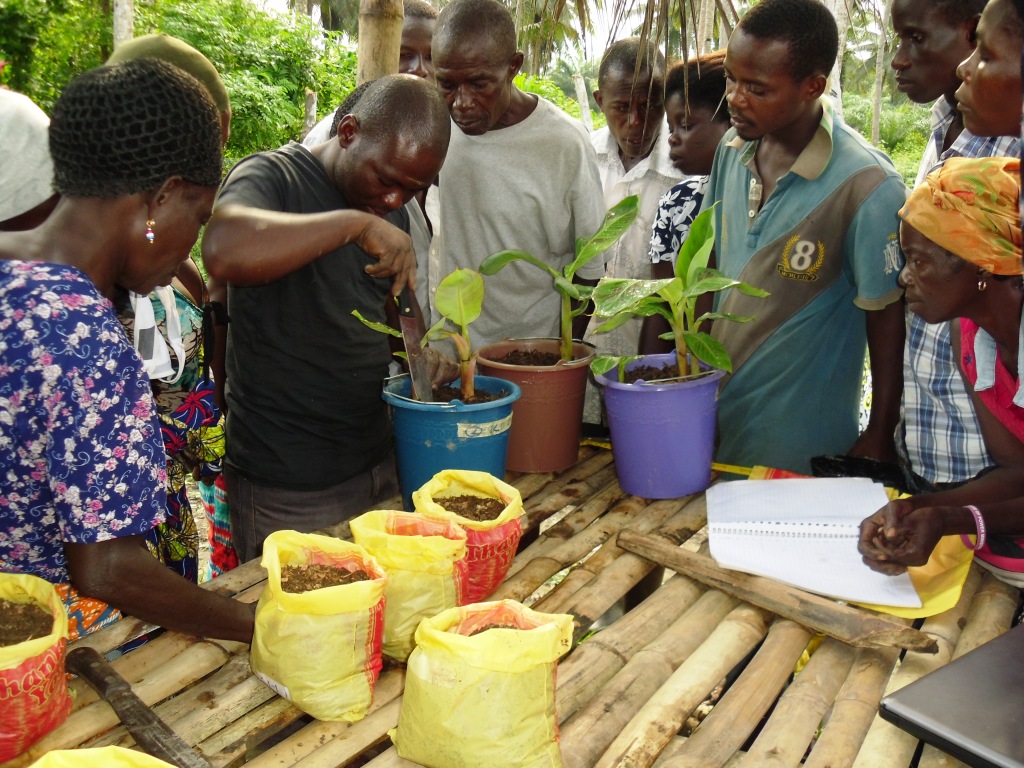
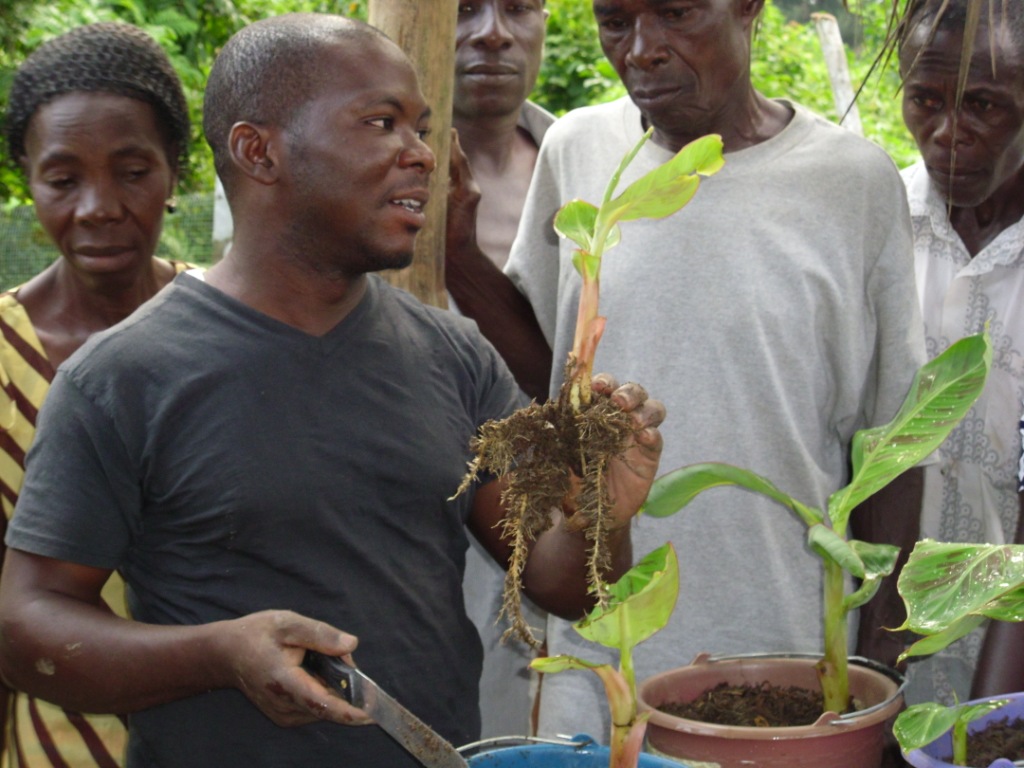
This research project evaluated the growth, yield, and economic profitability of healthy banana suckers derived from banana corm solarization and split-bud techniques (non-chemical and lower-cost technologies) through participatory on-farm trials with rural smallholder farmers in four regions and across three agroecological zones in Ghana.
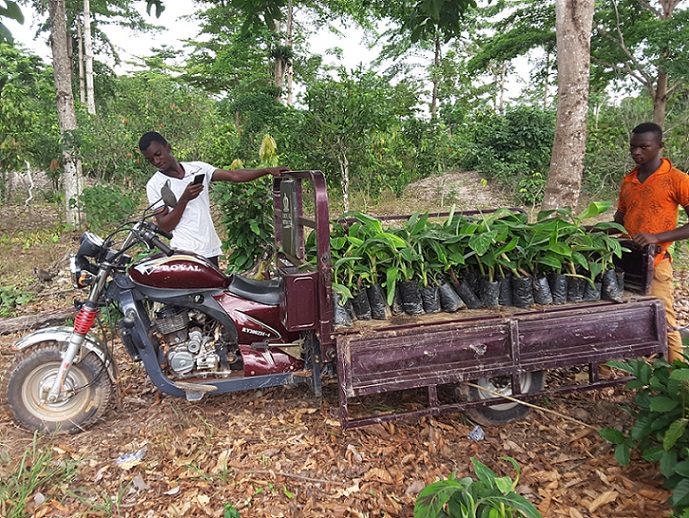
A total of 32 demonstration plots were established in 16 rural communities, targeted at ensuring ecological and lower-cost management of plant-parasitic nematodes to enhance the yields of bananas on smallholder farms. Knowledge and skills on banana corm solarization and spit-bud techniques to produce healthy planting materials and the associated enhanced yields for sustainable production of bananas were disseminated to about 1,500 rural farm households and 6,000 smallholder farmers towards improved household food and income security. This was essential for rural smallholder farmers as the prevailing methods of producing nematode-free planting materials (e.g., tissue culturing, chemicals – fumigants, hot water treatment, etc.) are either not accessible or affordable to smallholders. Also, this was vital for rural environmental quality enhancement and global climate change mitigation as the destruction to the environment or biodiversity and greenhouse gas emissions by chemicals are well documented.
The project provided capacity building for 4 local organizations aimed at enhancing local capacity to sustain the knowledge and skills to benefit more farmers. With this initiative and an average of 5 persons per household in most rural farm communities in these regions, at least 20,000 household members are expected to benefit from improved household food and income security over the long term.