Year: 2011/2012 – 2012/2013
Funder: Conservation, Food and Health Foundation
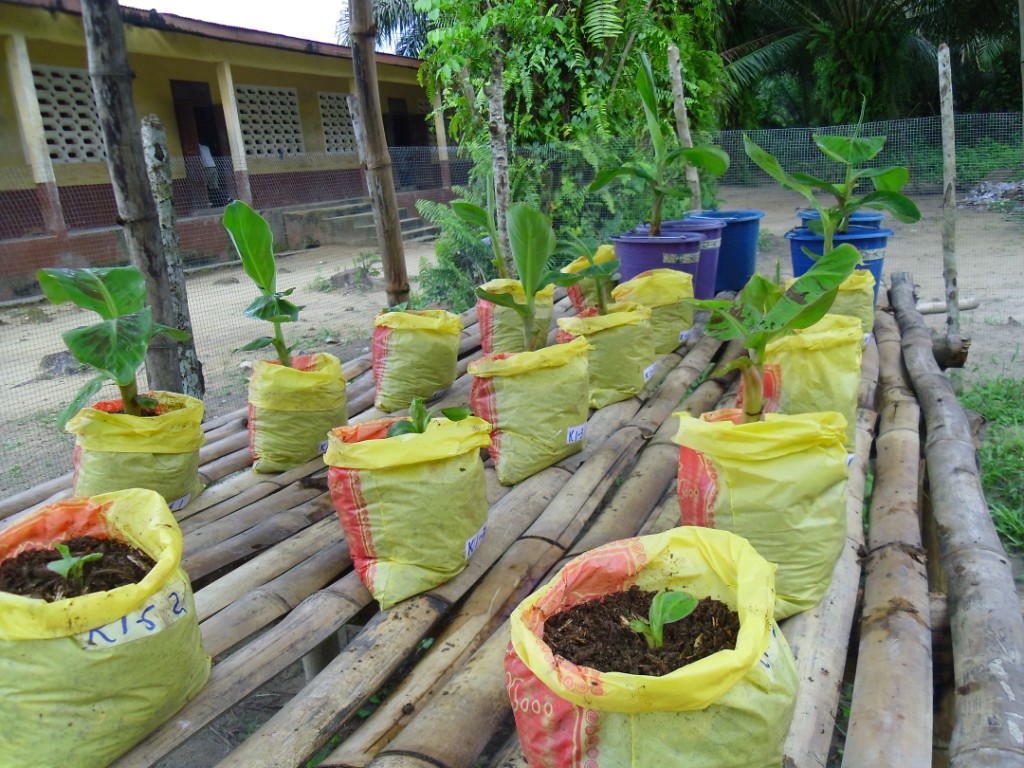
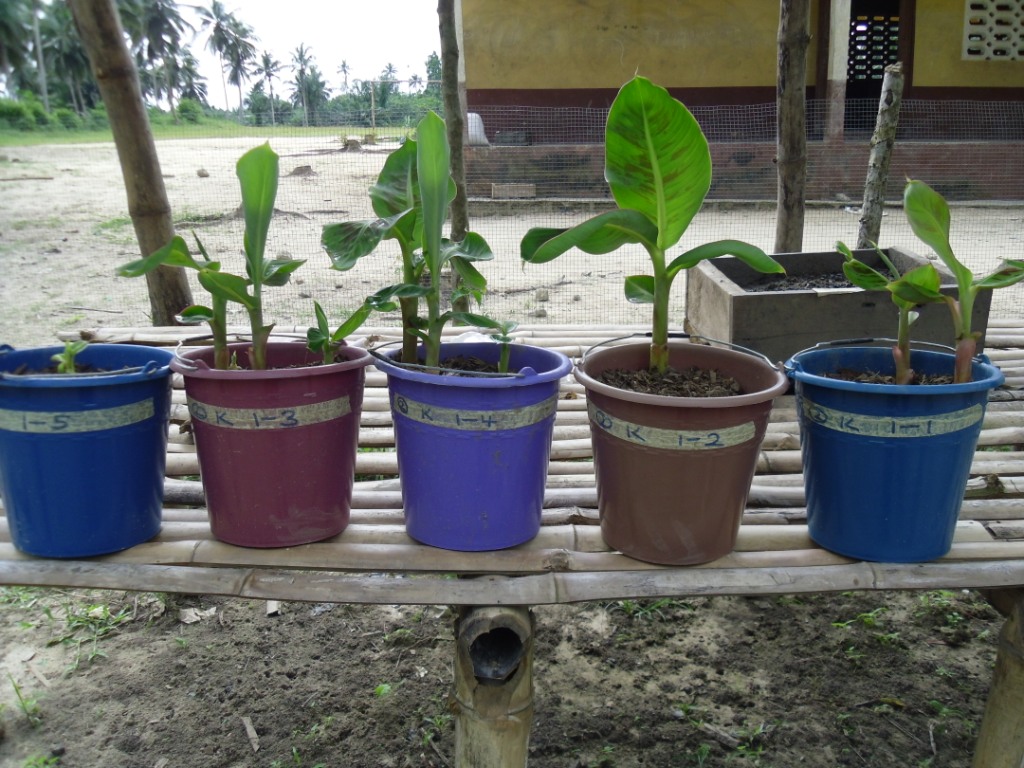
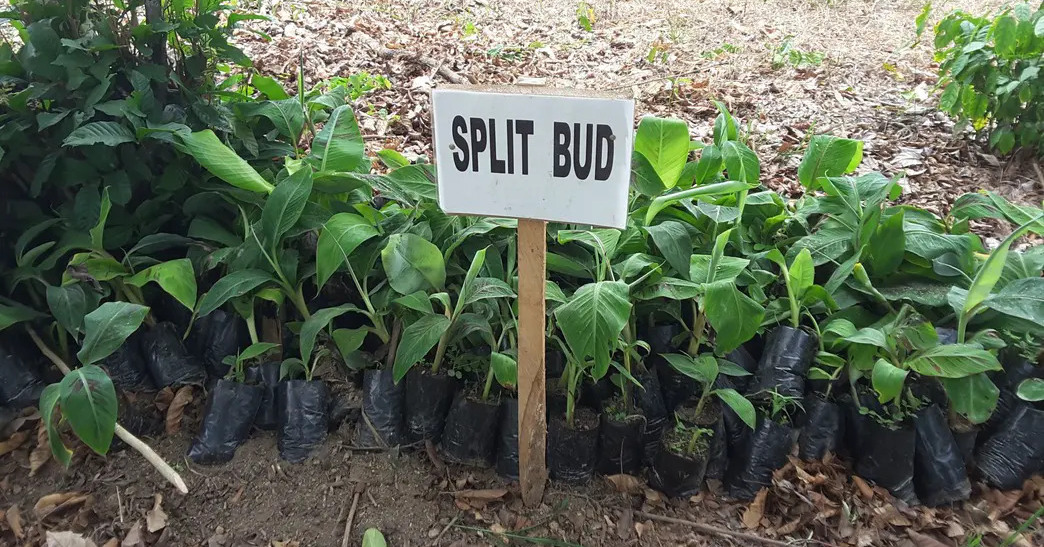
This 2-year research project was implemented in Western Ghana and assessed the independent and interactive efficacy of banana corm solarization and split-bud techniques in generating nematode-free suckers for sustainable production of bananas in Western Ghana towards ensuring household food and income security.
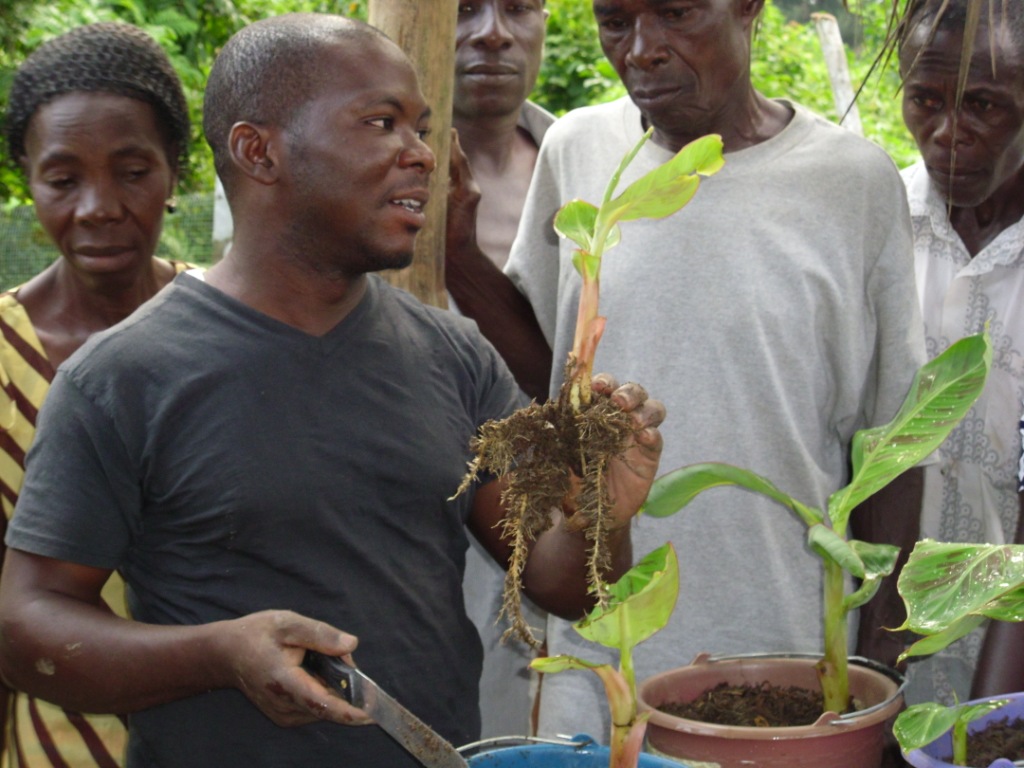
Ten demonstration plots were established in 10 communities and about 1,000 farm households and 5,500 smallholder farmers (more than 50 % women) were trained and can use the two techniques to generate healthy suckers and rapidly multiply them at a lower cost for planting for increased and sustainable production. This was essential for rural smallholder farmers as the prevailing methods of producing nematode-free planting materials (e.g., tissue culturing, chemicals – fumigants, hot water treatment, etc.) are either not accessible or affordable by smallholders. Also, this was vital for rural environmental quality enhancement as the destruction to the environment or biodiversity by chemicals is well documented.